
Best Bathroom Remodeling Companies 2026
Table of Contents
What to Look for in a Bathroom Remodeling Company
Questions to Ask a Bathroom Remodeling Contractor
Understanding Bathroom Remodeling Cost
Bathroom Remodel Timeline: What to Expect
Bathroom Remodel Checklist: Planning Your Project
Accessibility and Aging-in-Place Bathroom Design
How to Compare and Select Your Contractor
Frequently Asked Questions
Last Updated: October 18, 2026
What to Look for in a Bathroom Remodeling Company
Choosing the right bathroom remodeling company can mean the difference between a transformed space and a drained budget. The best bathroom remodeling companies combine technical expertise, transparent communication, and a proven track record of on-schedule quality work.
A reputable bathroom remodeling company should have proper licensing, insurance, and verifiable references, and be willing to walk you through their process, explain their estimate, and address concerns directly.
At HELP! Remodeling LLC, we believe a successful project starts with a contractor who listens to your vision and has the expertise to deliver it. Experienced companies know which materials hold up, how to navigate unexpected structural issues, and how to keep projects moving.
Look for contractors who provide detailed written estimates, a clear timeline, and open communication. The best bathroom remodeling companies also back their work with warranties and respond to questions promptly.
Questions to Ask a Bathroom Remodeling Contractor
Before signing any contract, ask questions that reveal how a contractor operates. Start with their experience on projects like yours: how many bathrooms have they remodeled in the past year, and can they provide references from recent clients?
Ask how they handle unexpected issues, such as structural problems or hidden damage found during demolition. A strong contractor documents these, gets your approval before proceeding, and adjusts the timeline and budget accordingly.
Inquire about their communication plan: how often you'll get updates, whether you'll have a single point of contact, and whether you can visit the site to see progress.
Ask about their warranty: what it covers, for how long, and whether it includes labor, materials, or both. Finally, ask how they handle delays and what contingencies exist for backordered materials or unexpected complications.
Understanding Bathroom Remodeling Cost
Bathroom remodeling costs vary by scope, materials, and local labor rates, but the range narrows once you separate work into tiers. The best bathroom remodeling companies provide detailed cost breakdowns and tell you which tier your project falls into before you sign anything.
Frame your budget by scope tier. A cosmetic refresh (fixtures, paint, vanity top, re-grout) typically lands in the low-to-mid five figures in most U.S. markets. A mid-range full remodel replacing the tub or shower, tile, vanity, toilet, and flooring while keeping the plumbing layout runs higher.
Your estimate should separate labor, materials, permits, and contingency. Labor typically represents 40-60% of total cost. Demolition and disposal is its own line item and is frequently underestimated. Permits usually run a few hundred dollars for a like-for-like fixture swap and rise with plumbing or electrical relocation; ask the contractor to show the fee as a pass-through.
High-end finishes, custom cabinetry, and specialized work like heated floors or steam showers add expense. Tile is a frequent budget swing: large-format porcelain on a simple grid costs far less to install than small-format mosaic with a complex pattern, because labor hours drive the difference. Freestanding tubs, frameless glass enclosures, and wall-hung vanities each carry a product cost and an installation premium.
When comparing quotes, look for itemized estimates rather than lump sums. Ask each company to price the same scope, tile, and fixtures so the comparison is apples to apples; otherwise a lower bid often just means a smaller scope. Be cautious of unusually low bids, which often signal cut corners, unrealistically low allowances, or an incomplete scope that surfaces later as change orders.
Ask each bathroom remodeling company about their payment schedule. Avoid contractors who demand full payment upfront or won't provide a written contract. A reasonable structure is a deposit at signing, a payment when rough-in and inspections are complete, a payment at tile and finish stage, and a final holdback released after punch-list completion.
Pro Tip Ask every bidder to quote the identical scope on the same line-item template: demolition, rough plumbing, rough electrical, drywall and waterproofing, tile, fixtures, vanity and counter, paint, cleanup, permits, and contingency. The bid that is lowest on the total but highest on allowances is usually the most expensive project.
Separate the number from the risk. A bid 10-15% higher but with a clear contingency, named fixture models, and a written change-order process is often the better financial decision than the cheapest line on the page. The goal is the most predictable final cost, not the lowest quote.
Bathroom Remodel Timeline: What to Expect
Most bathroom remodeling projects take 4 to 8 weeks, depending on complexity and material availability. A straightforward refresh might finish in 3-4 weeks, while a complete gut renovation with custom work can extend to 10-12 weeks.
Relocating plumbing or electrical, structural changes, or hidden damage found during demolition extend timelines. Material lead times matter too: custom vanities, specialty tiles, or high-demand fixtures can delay projects by weeks.
A professional bathroom remodeling company provides a detailed timeline upfront and communicates changes promptly, explaining which phases are sequential (you can't tile before plumbing is complete) and which overlap, so you can plan for disruptions.
Ask about contingency plans if materials arrive late or unexpected issues emerge. The best companies build realistic timelines with buffer time rather than overpromising.
Bathroom Remodel Checklist: Planning Your Project
Before your bathroom remodeling company begins work, have a clear plan covering design, functionality, and budget. Start by identifying what you want to change: the look, functionality, or both? Do you need better storage, lighting, or accessibility?
Create a checklist of all elements: flooring, wall finishes, lighting, ventilation, fixtures, cabinetry, and hardware. Gather images of styles you like so your contractor understands your vision and can estimate accurately.
Consider ventilation (exhaust fans prevent mold), layered lighting, and adequate storage. Think about how you use your bathroom daily and what would improve that experience.
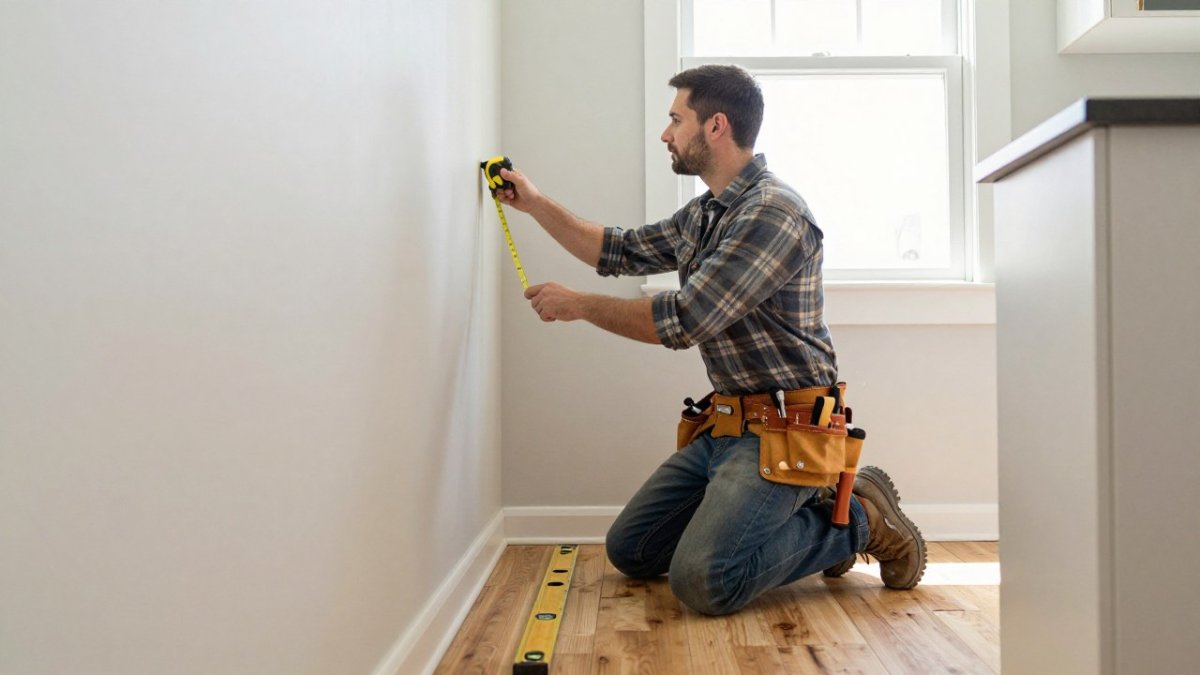
Document existing conditions with photos and measurements, noting moisture problems, outdated wiring, or structural issues. Share this with your bathroom remodeling company so they can anticipate challenges and provide realistic estimates.
Create a budget and discuss it openly with your contractor. Know where you can save and where investing more pays off in durability, and prioritize the improvements that matter most rather than doing everything at once.
Accessibility and Aging-in-Place Bathroom Design
Designing a bathroom that accommodates changing mobility needs or aging in place is an increasingly important consideration for many homeowners. Accessible bathrooms feature grab bars, non-slip flooring, walk-in showers with no curbs, and wider doorways that accommodate wheelchairs or walkers. These modifications improve safety while maintaining style and comfort.

A skilled bathroom remodeling company understands universal design principles, features that work for everyone regardless of age or ability. Curbless showers are easier to enter and exit for anyone, not just those with mobility challenges. Comfort-height toilets reduce strain on joints. Lever-style faucet handles work better than knobs for people with arthritis.
Proper grab bar placement is critical. They should be positioned where people actually need support, beside toilets, inside showers, and along bathtub edges (Fig. 29 Grab Bars at Water Closets). Professional installation ensures they're securely anchored to wall studs and can support body weight safely.
Consider lighting carefully. Bright, layered lighting helps people see clearly and prevents falls. Ventilation is equally important, moisture control prevents mold growth and maintains a healthy bathroom environment. A bathroom remodeling company experienced in aging-in-place design can integrate these features seamlessly so your bathroom looks beautiful while remaining safe and functional for years to come.
How to Compare and Select Your Contractor
Once you've narrowed your options, comparing bathroom remodeling companies requires looking beyond price alone. The most useful approach is a short, repeatable verification process you run on every finalist, so the comparison is based on evidence rather than impressions. This is the step most ranking lists skip, and it is where homeowners actually avoid bad outcomes.
Verify licensing and registration. Most states require bathroom remodelers to hold a contractor license or registration, and many publish a lookup tool on the state licensing board or consumer protection site. Search the company's legal name and license number, confirm the status is active, and check whether the license covers the work you're hiring for.
Confirm insurance directly. Ask for a certificate of insurance showing general liability coverage and, where required, workers' compensation. Call the insurer's number on the certificate to confirm the policy is current, certificates are easy to produce and easy to let lapse.
Check the complaint record, not just the star rating. Look up the company with your state attorney general's consumer protection office and your local Better Business Bureau, and read the pattern of complaints rather than the count.
Contact references and ask specific questions. Ask recent clients: Did the contractor finish on time? Were there unexpected costs, and how were they handled? How was communication during the project? Would you hire them again? Speaking directly with past clients reveals patterns that estimates alone cannot.
Compare bids on the same template. Put every finalist's estimate into one side-by-side sheet with identical line items: demolition, rough plumbing, rough electrical, waterproofing, tile, fixtures, vanity and counter, paint, cleanup, permits, and contingency. Note the allowance for each material, the exclusions, the payment schedule, the warranty terms, and the change-order process.
Read the contract before you sign. It should specify the scope of work, the timeline, the payment schedule tied to milestones, warranty terms, and how changes are handled. Confirm that change orders require your written approval and that the contract states who pulls permits.
Comparison Factor | What to Look For | How to Verify It |
Licensing & Registration | Active state or local license covering the scope | Look up the license number on the state licensing board site |
Insurance | Current general liability and workers' comp | Call the insurer listed on the certificate of insurance |
Complaint Record | Pattern of resolved vs. unresolved disputes | State attorney general consumer office and Better Business Bureau |
References | Recent clients with similar project scope | Call and ask about timeline, costs, and communication |
Written Estimate | Itemized scope with named allowances and exclusions | Compare all bids on one line-item template |
Payment Schedule | Milestone-based, with a final holdback | Confirm each payment is tied to completed work in the contract |
Warranty | Clear labor and material coverage terms | Get the warranty in writing before signing |
Change Orders | Written approval required, priced before work | Confirm the process is stated in the contract |
Watch Out A contractor who cannot produce a license number, a current certificate of insurance, or a written contract is not a candidate, regardless of price or reviews. Walk away rather than negotiate around missing paperwork.
Trust your instincts about communication and professionalism, but let the paperwork confirm them. The contractor you choose will be in your home for weeks, and the verification steps above take an afternoon. HELP! Remodeling LLC has built its reputation since 2017 by prioritizing customer communication, delivering quality craftsmanship, and ensuring every project meets our clients' expectations and timelines.
Frequently Asked Questions
What should I ask a bathroom remodeling contractor before hiring?
Ask about licensing and insurance verification, references from recent projects, experience with your specific project type, detailed timeline estimates, how they handle unforeseen issues and cost overruns, warranty coverage, and communication methods during the project. Request a written estimate that breaks down labor, materials, and timeline. Verify they understand local permits and building codes. Ask about their process for managing change orders and disputes.
How much does a bathroom remodel typically cost?
Bathroom remodeling costs vary widely based on project scope, materials selected, and regional labor rates. A basic refresh may cost significantly less than a full renovation with new fixtures and layout changes. Factors affecting cost include fixture quality, tile selection, plumbing and electrical work, and whether structural changes are needed. Request detailed estimates from multiple contractors to compare pricing. HELP! Remodeling LLC provides transparent estimates that break down all costs before work begins.
How long does a bathroom remodel usually take?
Timeline depends on project scope. A minor bathroom renovation might take 3-4 weeks, while a full bathroom remodel with structural changes can take 6-12 weeks or longer. Factors affecting duration include permit approval time, unforeseen structural issues, material availability, and project complexity. Weather and contractor availability also play a role. Discuss realistic timelines with your contractor upfront and establish clear milestones to track progress throughout the project.
How do I choose a reliable bathroom remodeling company?
Verify licensing, insurance, and complaint history through your state's licensing board. Check references and before-and-after photos from completed projects. Read homeowner reviews and ratings from multiple sources. Ask about warranty coverage and how they handle disputes. Choose a contractor with experience in your specific project type, whether that's accessibility modifications, luxury renovations, or budget-conscious updates. Meet with at least three contractors to compare estimates, communication style, and professionalism before deciding.
Book Online
Comments